
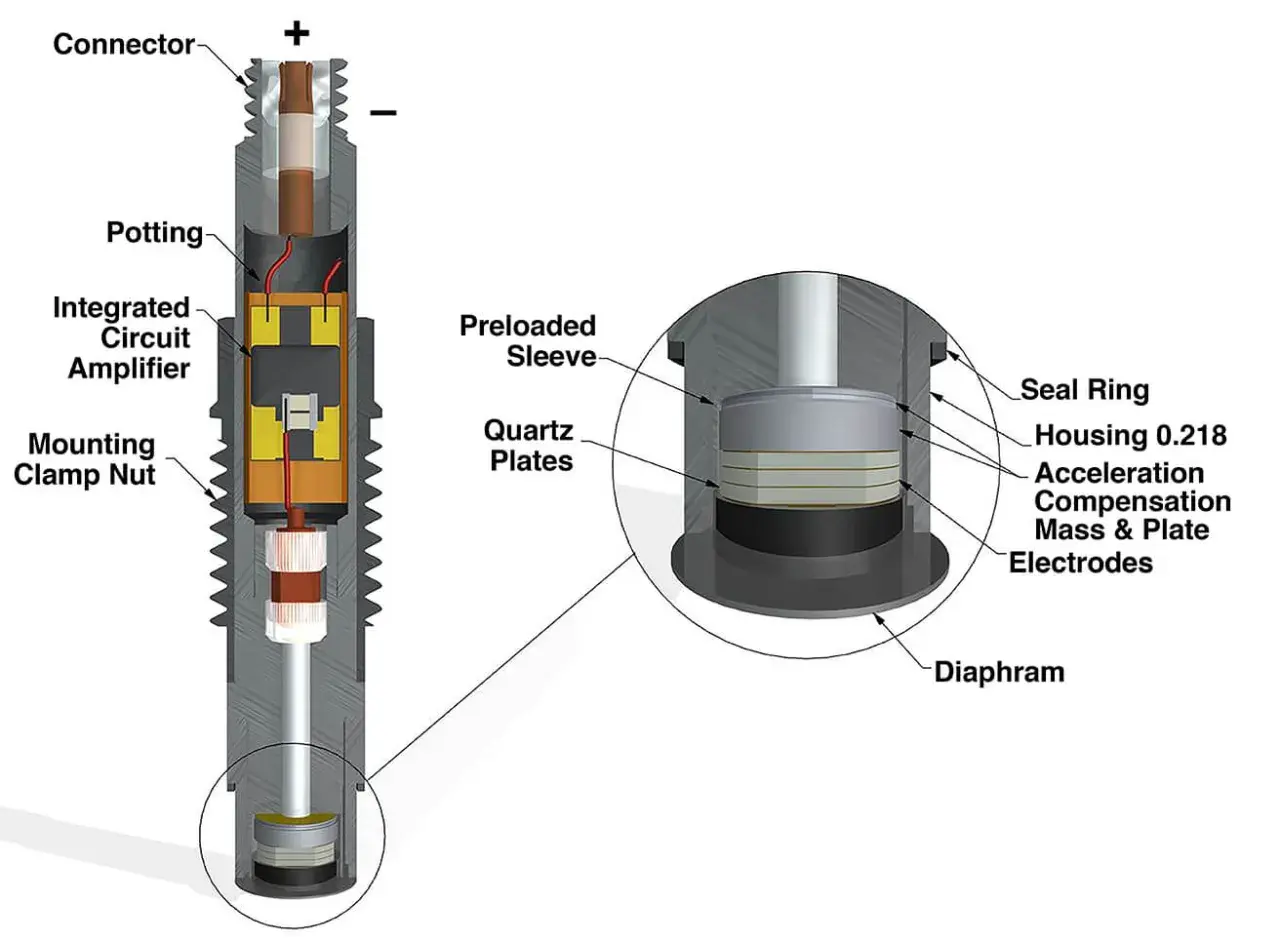
In measurement-heavy projects, the vendor matters as much as the sensor. PCB Piezotronics, Inc. is known for vibration, pressure, force and acoustic sensing, so the real buying question is not whether the brand is familiar, but whether its portfolio, calibration support and UK coverage fit your application. In this article I break down what the company supplies, where it is strongest, and what I would check before putting it on a procurement shortlist.
What matters most before you choose a sensor vendor
- PCB is a specialist measurement vendor, not a broad automation supplier.
- Its strongest fit is dynamic testing, condition monitoring and R&D instrumentation.
- For UK buyers, local support in Stevenage can shorten the distance between problem and fix.
- ISO 17025 calibration and traceable certificates are key differentiators when audits matter.
- Dynamic piezoelectric sensors are not the right answer for every static or slow-moving application.
What PCB Piezotronics supplies and why that matters
PCB sits in the sensing layer of a project, not the PLC or software layer. In practice, that means accelerometers, pressure transducers, force sensors, microphones and related accessories that turn physical events into data you can trust. The company says it serves design engineers and predictive maintenance teams across research, development and industrial applications, which is exactly why it shows up so often in test rigs, rotating equipment monitoring and acoustic work.
What I like about this kind of vendor profile is the focus. You are not buying a general-purpose catalogue with a little of everything; you are buying a measurement specialist with deep product families. That usually helps when the job depends on frequency response, low noise, connector consistency or calibration records.| Product family | Typical use | What to check first |
|---|---|---|
| Accelerometers | Vibration, shock and motion measurements on machines, structures and test rigs | Frequency range, sensitivity, mounting method and output type |
| Pressure transducers | Dynamic pressure in combustion, turbulence, blast or fast process events | Whether the measurement is truly dynamic, plus pressure range and temperature limits |
| Force sensors | Impact, compression, tension and reaction-force testing | Dynamic versus static use, load direction and mounting geometry |
| Microphones | Noise, acoustics and sound quality work | Diameter, frequency response, preamplifier match and calibration needs |
| Calibration and accessories | Keeping the measurement chain usable and audit-ready | Certificate type, turnaround time and compatibility with the sensor family |
The important point is simple: the best vendor is the one whose sensor family matches the physics of the job. Once that is clear, the next step is deciding how much support and certainty you need around the purchase.
Where it fits in industrial automation and smart manufacturing
In an automation context, PCB is best understood as a measurement vendor that supports condition monitoring, product validation and fault diagnosis. If you are watching motor vibration, validating a pump changeout, checking noise on an enclosure or characterising a fast pressure pulse, the sensor is often the piece that determines whether the rest of the stack is useful.I would place PCB near the top of the shortlist when the job demands repeatable data rather than a rough health check. That is especially true in predictive maintenance programmes, where a small drift in sensitivity or a poor mounting choice can distort the trend line and make a healthy machine look suspicious, or vice versa. The hidden cost is rarely the transducer itself; it is usually the measurement chain around it.
IEPE, which PCB brands as ICP, is worth mentioning here because it simplifies many field and lab setups. It is a sensor technology with built-in electronics, so the output is easier to condition than a raw charge signal. That convenience is useful, but it still requires the right cable, data acquisition channel and calibration discipline.
For a factory or test lab, that combination of hardware quality and support services is what makes a vendor feel dependable rather than merely available. Once that is clear, the next question is how to choose the right product family for the signal you actually need.How to match the sensor family to the measurement task
I usually reduce sensor selection to four questions: what is changing, how fast it changes, whether the signal is dynamic or static, and what the environment looks like. Those answers tell you more than a brochure ever will.| Selection question | Why it matters | Practical cue |
|---|---|---|
| Is the event dynamic or steady? | Piezoelectric sensors excel at changing signals, not long static holds | Choose dynamic pressure or force sensors for impacts, pulses and vibration; confirm suitability for slow signals |
| What frequency content do you need? | A sensor that is fine at low frequency can fail at the top end | Match the bandwidth to the machine speed, impact duration or acoustic range |
| How will it be mounted? | Mounting changes the fidelity of the signal, especially on vibration work | Use the manufacturer’s recommended stud, adhesive or adapter method |
| What electronics sit behind it? | Output type and conditioning affect noise, cabling and integration effort | Confirm ICP/IEPE, charge or other output before you buy |
Dynamic pressure and force are not the same as static measurement
This is the point where many purchases go wrong. A piezoelectric pressure sensor can be brilliant for turbulence, combustion or blast work, but it is typically not the right tool for a pressure that sits still for long periods. The same logic applies to force: dynamic compression, impact and reaction events are one thing; slow load measurement is another. If you need sustained measurement, I would verify the exact model or look at a different sensing technology altogether.
Accessories can decide whether the sensor is usable
A good sensor with the wrong preamplifier, cable or connector is still a frustrating purchase. I usually treat accessories as part of the specification, not an afterthought. That is especially true for microphones and accelerometers, where the wrong chain can quietly degrade the measurement without producing an obvious failure.
Once the technical fit is clear, the buying decision shifts to vendor support, delivery and calibration, which is where UK procurement teams tend to get more demanding.
What UK buyers should check before placing an order
According to PCB Piezotronics' global offices page, the UK office is in Stevenage, Hertfordshire. That is useful, but I would not confuse a local office with a local stock guarantee; I would still ask about lead time, replacement policy and whether the required accessories are stocked in region.
For UK buyers, the procurement questions I would ask are straightforward:
- Is the sensor shipped with the calibration certificate I need for my quality system?
- Is the certificate traceable and, where relevant, ISO 17025 accredited?
- Which cable, connector and mounting kit are required for this exact model?
- What is the RMA path if the part arrives damaged or fails during commissioning?
- Can the vendor support repair or recalibration without sending everything back through a long queue?
- Will I face customs, VAT or import delays if the order is fulfilled from outside the UK?
PCB Piezotronics says its calibration centres are ISO 17025 accredited and that each shipped sensor includes a traceable calibration certificate. That is the kind of statement I like to see because it reduces uncertainty after installation and makes life easier when you need to justify a measurement in front of a customer, auditor or internal quality team.
The practical lesson is that local presence, calibration and repair support are not soft extras; they are part of the total cost of ownership. Once those are handled, the remaining risk usually sits in how the request is written, which is what I would fix next.
The mistakes I see most often when teams shortlist this kind of vendor
The first mistake is buying by brand before measurement physics. A respected name does not save you if the signal is static, the bandwidth is wrong or the mounting method is unsuitable. The second mistake is assuming one sensor family covers every machine or test condition; it rarely does.
The third mistake is treating calibration as paperwork instead of part of the measurement chain. If the certificate format, traceability or recalibration interval does not align with your process, you may have a technically good sensor that is operationally awkward. The fourth mistake is forgetting that the sensor is only one line item; cables, preamps, signal conditioning, adapters and spares often matter just as much.
The final mistake is underestimating lead time. In many plants, the real delay is not the purchase order itself but the time it takes to discover that a connector, temperature limit or calibration option was omitted. That is why I prefer a tight procurement brief over a long back-and-forth after ordering.
That leads to the simplest way to make the first order go smoothly: give the vendor the measurement story upfront, not just the part number target.
A procurement brief that makes the first order easier
When I brief a vendor on a measurement project, I try to include the details that eliminate avoidable guessing. It saves time, but more importantly it reduces the chance of buying a sensor that looks correct on paper and disappoints in service.
| What to specify | Why it helps |
|---|---|
| Measured variable and use case | Confirms whether you need vibration, pressure, force or acoustics |
| Expected range and peak events | Prevents under-range or over-range selection |
| Frequency or response requirement | Ensures the sensor can capture the real signal, not just the average |
| Environment | Temperature, moisture, shock and contamination affect the right model |
| Mounting and connector preference | Reduces installation friction and cabling mistakes |
| Calibration and documentation needs | Aligns the purchase with QA, audit and traceability requirements |
| Delivery country and support contact | Helps avoid logistics surprises and speeds up after-sales help |
If your project depends on accurate dynamic measurement, PCB is the sort of vendor I would shortlist early rather than late. The product range is broad enough to cover test, diagnostics and monitoring, and the service model is strong enough to support serious procurement teams. For UK buyers especially, the combination of specialist sensors, local contact points and traceable calibration is what turns a name on a list into a vendor worth trusting.
