
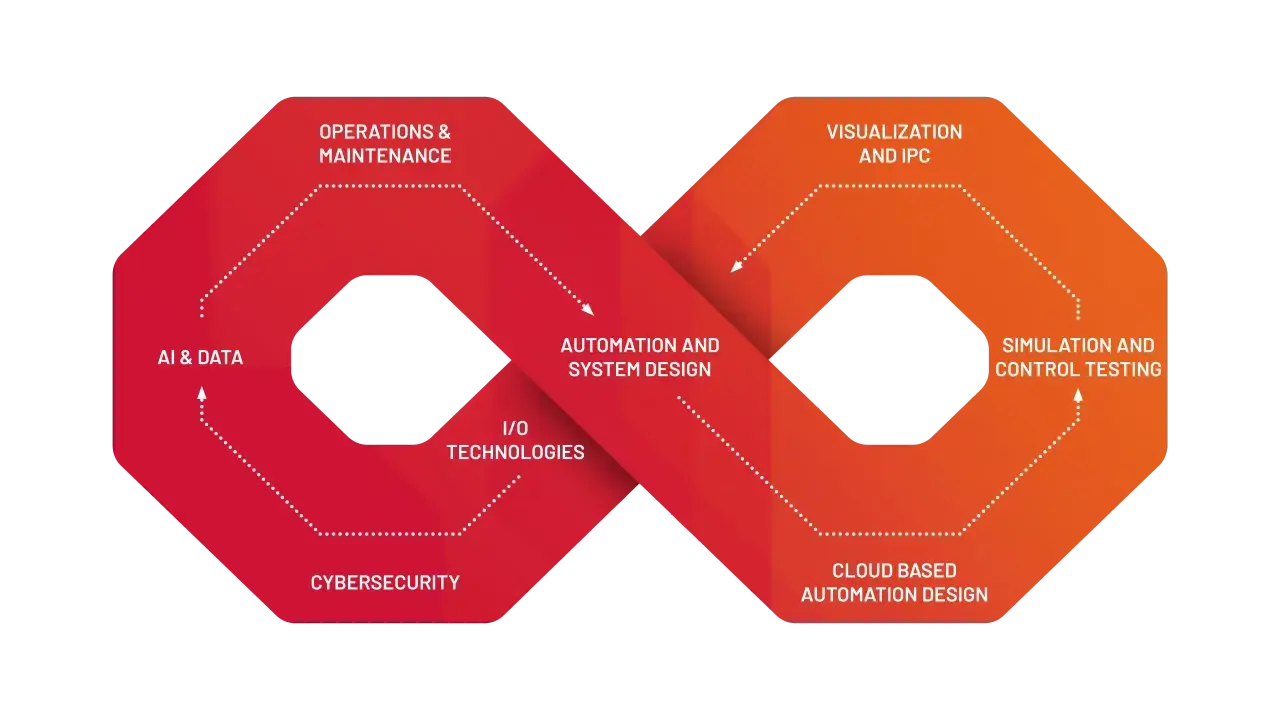
For PLC buyers, system integrators, and plant teams, the real value of a major automation event is not the stand design or the giveaway bag. It is the chance to compare control platforms, motion systems, HMIs, industrial communication layers, and software in one place without waiting weeks for callbacks. For me, the sps show is less about collecting brochures and more about validating suppliers.
What matters most when you are comparing vendors at SPS
- SPS 2026 takes place in Nuremberg from 24 to 26 November and remains one of the biggest automation meetings in Europe.
- The event covers control technology, drives, HMI, industrial communication, software, interface technology, mechanical infrastructure, and sensors.
- The strongest vendors are usually the ones that can explain integration, lifecycle support, and commissioning, not just product features.
- UK visitors should plan travel, meetings, and post-show follow-up before they arrive, because the useful conversations are time-sensitive.
- Exhibitors win when they show a real application story, not a generic product pitch.
Why SPS is a stronger vendor filter than a typical trade fair
SPS is built around industrial automation, so the crowd is already much closer to the problems people actually need to solve. The official event profile says the show brings together more than 1,000 exhibitors in 15 halls, and the 2025 edition recorded 1,175 exhibitors, 122,000 square metres of space, and 55,938 visitors. That scale matters because it gives you enough choice to compare suppliers properly, but it is still focused enough that the conversations stay technical.
What I like most about this format is that visitors usually arrive with a concrete task rather than vague curiosity. They want to replace a PLC platform, improve uptime, simplify integration, or reduce commissioning time. That makes the floor useful in a way that generic industry events often are not: vendors are forced to prove fit, and buyers can see quickly who understands real plant constraints. Once you see the event that way, the next question becomes simple: which vendor groups deserve your time first?
The vendor groups that deserve priority
The show covers the full automation stack, but not every stand deserves equal attention if your focus is PLCs and related systems. I would always start with the vendors that sit closest to control architecture, because those are the decisions that tend to affect everything else downstream. After that, I widen the search to the layers that determine whether the system is easy to commission, scale, and support.
| Vendor group | Why it matters | What to ask on the stand |
|---|---|---|
| Control technology | The PLC platform is the backbone of the machine or line. | How does it handle migration, safety, remote access, and long-term availability? |
| Electric drives and motion | Motion performance often decides whether the machine meets cycle-time targets. | How well does it coordinate with the control layer, and how much engineering effort is needed? |
| Industrial communication | Networking and field connectivity affect commissioning speed and diagnostics. | Which protocols are native, which need gateways, and what diagnostic data is available? |
| HMI and interface technology | Operators live in the interface, so usability affects downtime and changeovers. | How fast can screens be engineered, localised, and updated? |
| Software and IT for manufacturing | This is where PLC data becomes useful for operations, maintenance, and reporting. | How does it connect to existing MES, SCADA, edge, or analytics tools? |
| Sensors and system solutions | Sensor quality shapes control accuracy, diagnostics, and predictive maintenance. | What data quality, update rate, and fault visibility does the system provide? |
If I had limited time, I would not spread myself thin across every hall. I would begin with control, communication, and software, because those are the layers that decide whether a PLC project becomes manageable or messy. Then I would check the adjacent vendors that can shorten commissioning, improve diagnostics, or remove integration headaches. That is usually where the real commercial value sits.
How to judge a vendor beyond the demo
A polished demo can hide a lot. A supplier might show a smooth screen flow or a flashy machine sequence, but that tells you very little about what happens once the system is installed on a real line with real constraints. The vendors I trust most are the ones that can answer hard questions without wandering off into marketing language.
When I am qualifying a supplier, I focus on a few points that usually separate a serious technical partner from a nice-looking booth.
- Integration fit - Can the product sit inside an existing PLC architecture without forcing a redesign?
- Migration path - If the plant is upgrading legacy equipment, is there a realistic route from old hardware to new?
- Commissioning effort - Does the vendor reduce setup time, or does it simply shift complexity to the integrator?
- Support model - Is there clear engineering support, documentation, and lifecycle coverage after installation?
- Diagnostics - Can the system tell an engineer what failed, where it failed, and how quickly it can be recovered?
- Longevity - Will the platform still make sense in five to ten years, or is it already being treated as a short-cycle product?
The biggest red flag is when a vendor talks only in features. Features matter, but they are not the same as fit. A PLC platform with good I/O density is still a bad choice if it is difficult to maintain, hard to integrate, or dependent on obscure tooling. The vendors worth your time are the ones that explain trade-offs clearly and admit where their solution is best suited. That kind of honesty usually saves more money than any headline specification.
What UK buyers should plan before travelling to Nuremberg
For UK teams, the practical work starts before the flight. Nuremberg is straightforward to reach, but the useful conversations at a show like this are usually scheduled in advance, and the best vendors fill their calendars quickly. If you are serious about evaluating suppliers, I would treat the trip as a working visit, not a walk-around.
Three things make the biggest difference. First, decide what you are actually trying to solve, whether that is PLC migration, network simplification, motion integration, or data capture. Second, book meetings before you travel, because a ten-minute hallway chat is rarely enough to replace a proper technical discussion. Third, prepare your own architecture summary so that vendors can respond to your reality instead of giving you a generic pitch.
If you are carrying demo hardware or samples, make sure logistics are sorted early. That includes freight timing, any customs paperwork your shipper expects, and the practical details that slow teams down when they assume everything will just work. Even small things matter: if you know which systems you already run, which protocols you need, and where the bottlenecks are, you will get far better answers from vendors on site. Once that is handled, the focus shifts from travel planning to how vendors should present themselves.
What vendors need to prove if they want serious leads
From the exhibitor side, SPS rewards clarity. The companies that do well are usually the ones that can show one real use case, one integration route, and one support story without overcomplicating the message. In industrial automation, buyers do not need more slogans; they need proof that a platform can survive a production environment.
If I were advising a vendor at this event, I would push for five things.
- Show a real application, not a generic feature wall.
- Bring engineers who can answer protocol, safety, and commissioning questions on the spot.
- Explain how the product fits into existing PLC ecosystems instead of pretending every plant starts from zero.
- Make local support and lifecycle policy explicit, especially for buyers who need long-term continuity.
- Leave visitors with a next step that is specific, such as a sample project review, a technical follow-up, or a pilot plan.
That last point is often underestimated. A badge scan is not a lead if nobody knows what happens next. The exhibitors that convert best are the ones that make follow-up easy, because the buyer leaves with a clear sense of whether the vendor is a partner, a contingency, or a distraction. For UK vendors in particular, this is where service coverage, response time, and post-sale engineering support become part of the pitch, not an afterthought.
The practical shortlist I would build before the hall doors open
If I were approaching SPS 2026 with a real project in mind, I would build a shortlist around three questions. Can this vendor integrate cleanly with what I already run? Can they support the system after installation? Can they explain where their solution creates measurable value, such as shorter commissioning, better diagnostics, or lower downtime?
That sounds simple, but it cuts through a lot of noise. The best outcome from this event is not a stack of business cards; it is a short list of suppliers you would actually trust on a live deployment. For PLC and automation work, that trust comes from technical fit, not from booth theatre. The vendors that understand this usually stand out quickly, and the ones that do not are easy to leave behind.
For me, that is the real advantage of using the show as a decision tool. It turns a crowded automation floor into a structured comparison, and it helps buyers, engineers, and vendors all focus on the same thing: whether the next conversation can lead to a system that works in the plant, not just on the stand.
