
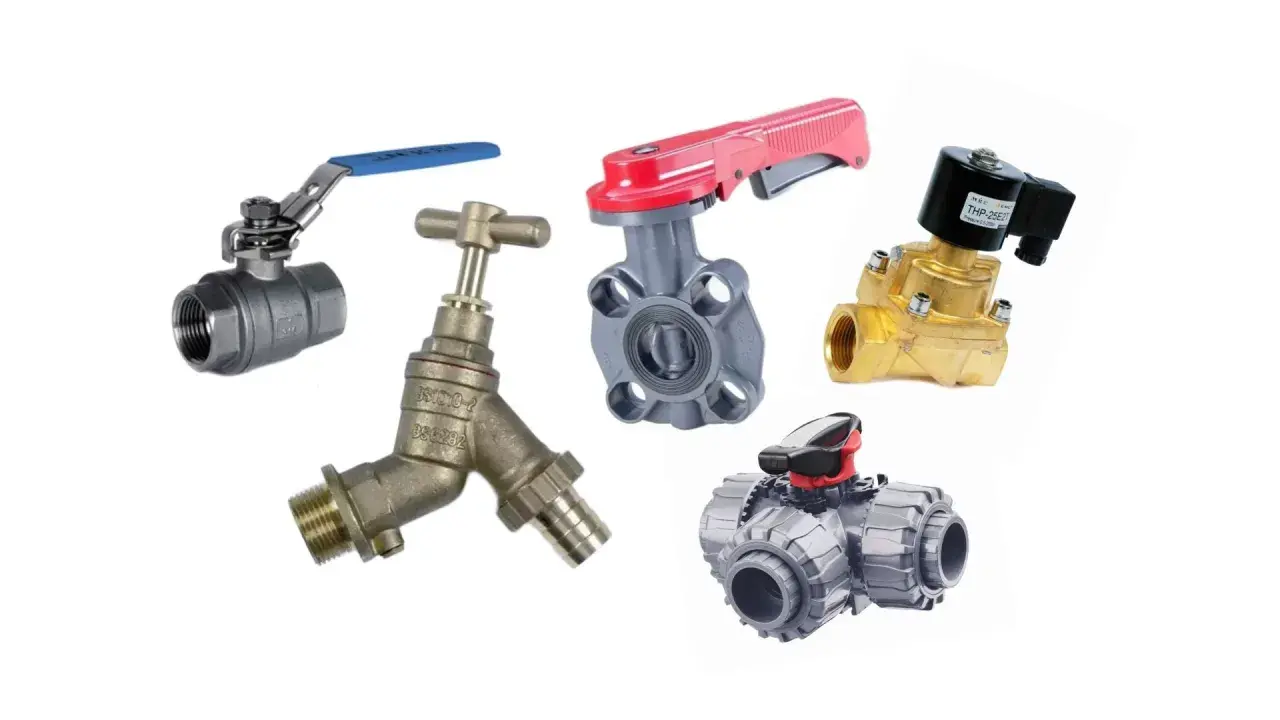
Choosing a supplier for Valbia is less about the label and more about whether the vendor can match the valve, the duty cycle, and the certification to the job. In the UK market, that usually means deciding between the official channel, local stockists, and independent resellers. I am focusing here on what the brand actually covers, how the supply chain works, and what I would check before placing an order.
The quickest way to judge a supplier
- This is an actuator and valve-automation brand, not a generic valve catalogue.
- The safest UK starting point is the official distributor or stockist, then local vendors for availability checks.
- Exact model code matters more than the family name because mounting, voltage, air supply, and protection class change the fit.
- For industrial projects, the most common buying mistakes are wrong torque sizing, wrong fail position, and missing certification paperwork.
- Good vendors help with selection, documentation, spares, and lead times, not just price.
What the brand actually covers
The company’s own site describes it as a specialist in electric and pneumatic actuators, with automated valve packages built for industrial use. In practical terms, that means you are usually buying a way to automate a ball valve or butterfly valve, not just a standalone part off the shelf. A quarter-turn actuator rotates through 90 degrees, which is the standard motion for many on/off isolation valves, while rack-and-pinion design refers to the internal mechanism that turns linear force into that rotational movement.
That distinction matters because the best supplier is often the one that understands the whole assembly: actuator, valve, mounting pattern, controls, and environment. I see too many buyers start with the brand name and only later discover that the real decision is between a spring-return pneumatic unit, a direct-mount electric model, or a package with extra accessories such as limit switches, position indication, or a manual override. Once that is clear, the UK vendor structure makes much more sense.
How the UK vendor channel usually works
According to BVAA, Bonomi (UK) Ltd is a distributor and stockist for the brand in the UK. That gives buyers a reliable starting point for technical enquiries, repeat orders, and product traceability. Around that official route sits a broader market of stockists and independent resellers that can be useful when you need quicker dispatch, a price comparison, or help sourcing a legacy configuration.
| Vendor type | Best for | Strength | Trade-off |
|---|---|---|---|
| Official distributor or stockist | New projects, technical selection, repeat buying | Direct product knowledge, clearer traceability, better support on configuration | Lead times and pricing may be less flexible than a reseller quote |
| Specialist stockist | Replacement units and common sizes | Local inventory, faster fulfilment, practical buying help | May carry a narrower range or less application engineering support |
| Independent reseller | Spot buys, legacy parts, price checks | Broader sourcing options and competitive quotes | You need to verify authenticity, warranty terms, and documentation carefully |
In 2026, I would treat the official route as the anchor and use other vendors mainly as a benchmark for availability and service. That approach keeps the buying process practical without forcing you into a single purchasing path. Once the supplier structure is clear, the real question becomes what to verify on the datasheet before you commit.
What to check before choosing a supplier
When I review a quote, I do not start with the price. I start with the technical fit, because the cheapest actuator is expensive if it does not match the valve or the site conditions. The most useful vendors are the ones that help you pin down the exact code and explain why it fits.
| Check | Why it matters | What a good supplier should provide |
|---|---|---|
| Mounting and interface | Direct-mount compatibility avoids adapter problems and alignment issues | ISO mounting confirmation, valve connection details, and a matching kit if needed |
| Power or air supply | Electric and pneumatic units need very different site conditions | Clear voltage range or air pressure requirement, not a vague product family name |
| Torque margin | Under-sizing leads to stalled operation or poor valve shut-off | Torque selection guidance based on the valve and media, not guesswork |
| Protection and environment | Ingress and hazard ratings affect safety and durability | IP rating, ATEX status where relevant, and temperature limits |
| Duty and control mode | On/off, spring return, and modulating service are not interchangeable | Confirmation of operating mode and any control accessories such as switches or positioners |
| Documentation and spares | Good paperwork shortens commissioning and future maintenance | Datasheet, wiring or pneumatic diagram, spare kit options, and a clear part code |
The product examples on the market show why this matters. Some electric models are listed with IP68 protection, multiple supply voltages, manual override, torque limiting, and a 90-degree operating time of 27 seconds, while pneumatic models can be specified with up to 8 bar g air supply and ATEX-rated construction. Those details are not universal across every unit, so the supplier has to match the exact configuration to the job rather than selling a generic name. That is even more important once the actuator is tied to a real plant environment.
Where the actuator line fits best in UK industry
These products are most useful where you need reliable quarter-turn valve automation and a supplier who can help with both the hardware and the application fit. In my experience, the vendor choice changes depending on whether the priority is hygiene, hazardous-area compliance, fast replacement, or control integration.| Application | What matters most | Vendor implication |
|---|---|---|
| Water and wastewater | Corrosion resistance, dependable cycling, easy maintenance | Ask for clear documentation, spare kits, and realistic lead times for replacements |
| Food and beverage | Clean design, compact installation, dependable control | Check materials, sealing, and whether the vendor can support repeatable standard SKUs |
| Chemicals and process plants | ATEX, temperature range, and fail-safe behaviour | Use a vendor that can prove the certification path and recommend the right duty mode |
| HVAC and building services | Voltage choice, compactness, and consistent actuation | Local stock matters because projects often run on tight installation windows |
| OEM and machine builders | Documentation, repeatability, and control integration | Choose a vendor that can hold the same specification across multiple builds |
This is where the industrial automation angle becomes real. If the actuator is meant to feed a PLC, SCADA, or building management system, then the vendor should be able to talk through feedback switches, wiring, control accessories, and the practical limits of the chosen model. That is why I always move from application fit to a buying checklist, not the other way around.
The buying checklist I would use on a live project
When a project is moving quickly, I keep the buying process simple and disciplined. The goal is to avoid hidden mismatches that only show up at commissioning.
- Identify the valve first: size, torque requirement, media, and whether it needs fail-open or fail-closed behaviour.
- Confirm the actuator type: electric or pneumatic, on/off or modulating, direct mount or with accessories.
- Ask for the exact part code and a datasheet that matches the actual configuration, not a family brochure.
- Check the environment: temperature, ingress, hazardous area requirements, and any cleaning or washdown exposure.
- Verify lead time, traceability, warranty terms, and the availability of spare seals, switches, or mounting kits.
I also ask vendors one blunt question: if this exact unit is unavailable, what is the closest approved alternative and what changes in performance should I expect? A good supplier answers that clearly and without hiding the trade-offs. That is usually the difference between a transactional reseller and a partner you can trust on future orders.
The details that usually pay off after installation
The smallest procurement decisions often create the biggest long-term gains. Standardising on one voltage family, one spare kit set, or one mounting pattern can cut downtime later, especially in sites that run multiple lines or have a mix of old and new equipment. I would also keep a photo of each installed nameplate, because the exact code is easier to replace when commissioning notes, drawings, and the physical unit all match.
- Keep the exact actuator code in your maintenance records, not just the valve tag.
- Store one spare switch box or seal kit for the models that fail most often in your environment.
- Make sure operations teams know the manual override procedure before the first fault arrives.
- Recheck torque and supply conditions after any process change, because valve duty can drift over time.
For UK buyers, the practical answer is straightforward: start with the official channel, use other vendors to compare stock and support, and insist on the exact technical configuration before you buy. That is the cleanest way to turn a branded actuator into a dependable part of the plant rather than a recurring sourcing problem.
